
Belonging
Belonging is a state of being, not a state of sameness.
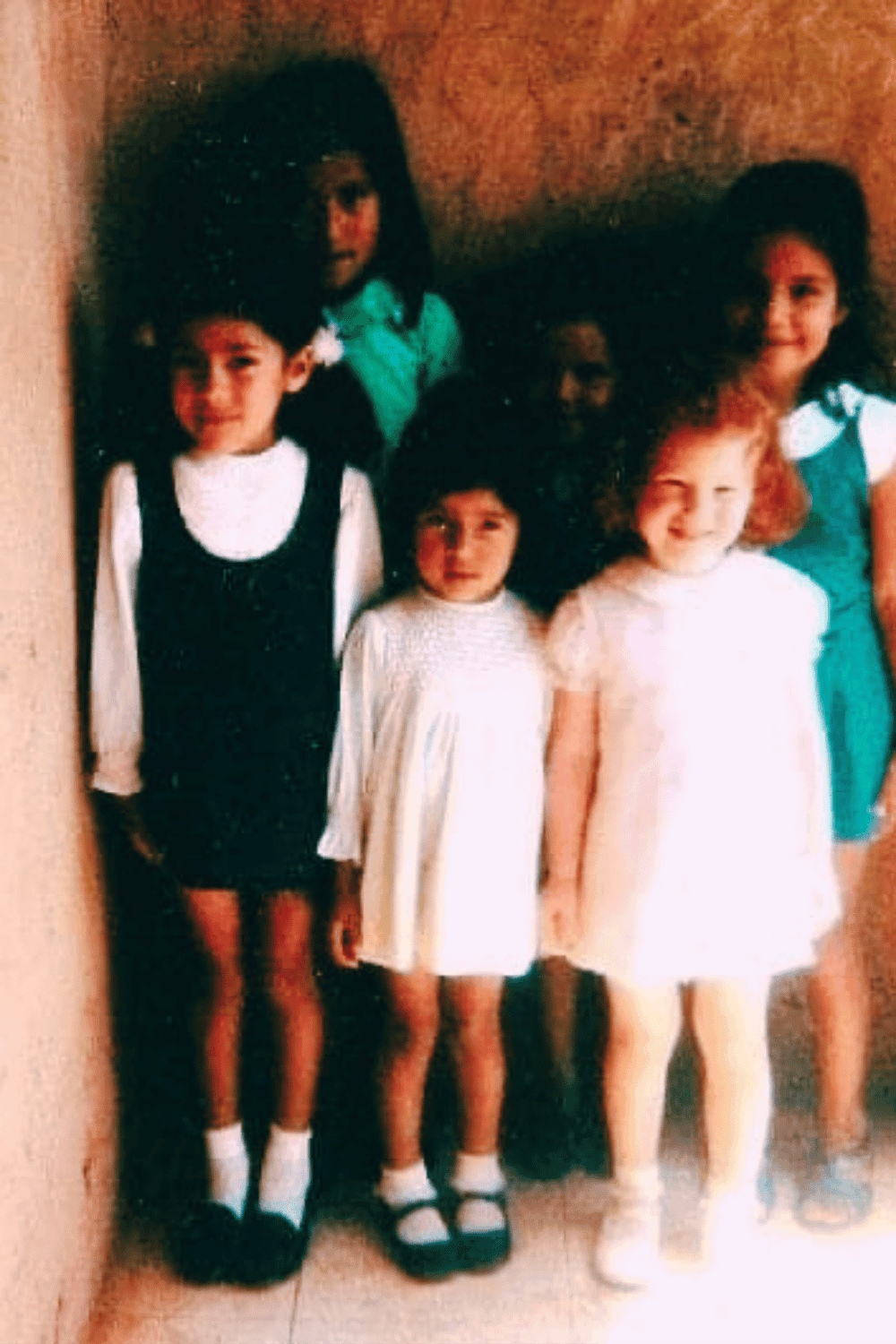
I spent most of my childhood in Bolivia, South America where my parents served as missionaries for many years. I grew up bilingual in Spanish and English and formed lasting friendships. Although kids often overlook racial differences, I was aware of my distinct appearance mostly because of my red hair. However, my friends really made me feel like I belonged in their group and that I was just one of them.
When I was 13 our family left Bolivia to move to Dawson Creek, BC, Canada. You couldn’t find two more vastly different worlds. Coming “home” to Canada was a difficult, and at times, painful transition. I definitely didn’t feel like I fit in, even though physically I looked like I should. I had an embarrassing interaction with a K-Mart cashier when I tried to bargain over an item, not realizing that just wasn’t done here. This is what I refer to as my “haggle trauma” – never to be done again.
Grade 8 was hard. I didn’t have a lot of friends, wear the right clothes or understand the social norms of junior high. Everything seemed like a struggle to just not stick out like a sore thumb. This sense of being an outsider also propelled me into the work world early. My father was adjusting to a higher cost of living, so I got a job mostly to be able to buy the right clothes, listen to popular music, etc. Eventually I was blessed to find a place with some great friends, but I always moved between all the cliques of high school, never part of one.
In my twenties, I still felt different and like an outsider – even within my extended family. The book “Third Culture Kids – Growing Up Among Worlds” (by David Pollock, Michael Pollock and Ruth Van Reken) explains the challenges faced by kids who grow up outside of their parents’ home country and then return “home”. Kids of diplomats, expats, missionaries, or military families will relate to the psychological aspects of that life experience.
About 15 years ago, I finally realized that it wasn’t that I didn’t belong anywhere, but rather that I belonged everywhere. Because of my own unusual experience, I had the ability to connect with people of all cultural backgrounds. I could leverage my unique experience to help people feel like they belonged in our shared work environment.
In workplace culture, fostering a sense of belonging is crucial for achieving full engagement, partnership, contribution, and freedom in expressing ideas. Leaders must initiate this process with inclusion and make a genuine effort to ensure their sense of belonging. Inclusion is being welcomed into a group, while belonging is feeling genuinely accepted and valued. Belonging means individuals feel safe and embraced for who they truly are, beyond mere tolerance.
Companies that hire inclusively for the stats, ignoring the essential follow-up of ensuring belonging, are just ticking a box. I guarantee you that employees 100% know and feel that. Inclusion without belonging drastically limits engagement.
We all have unique life experiences and backgrounds that may challenge our sense of belonging. Exceptional leaders ensure their employees are aware that they belong and feel valued within the organization. When employees genuinely experience this sense of belonging, the resulting positive outcomes are significant and have a direct, beneficial impact on the success of the business.
