
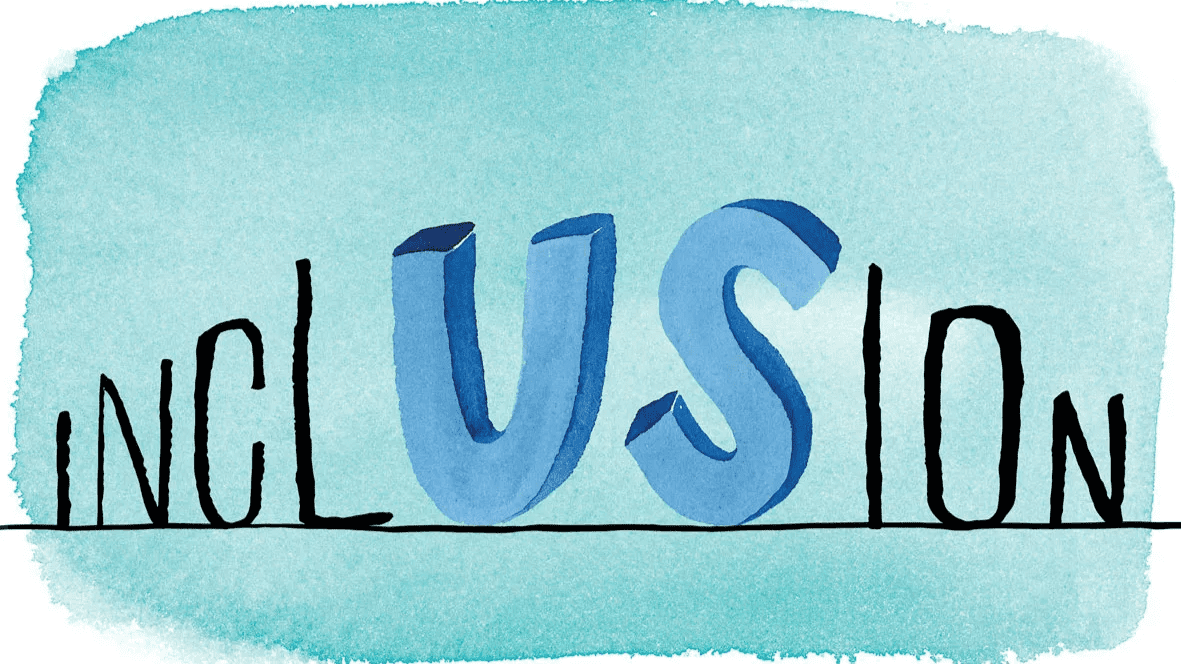
Inclusion – Let Me Count the Ways
For many years, inclusion has been an important topic in workplace culture. It is often associated with racial, gender, or orientation values. While these are valid considerations, inclusion also extends into areas such as workplace disciplines, worker experience levels, socio-economics, company hierarchies, departments and even physical workplace spaces.
A common area of non-inclusion in organizations is the distinction between “cost centres” and production or operations areas. Production and operations often view themselves as more important than functional areas such as HR, Supply Chain, IT, or Finance. However, these services are essential for running a business, regardless of its size. Functions like payroll, recruitment, procurement of materials and services, IT management, tax compliance, and financial tracking are crucial for a company’s operations. This is like trying to run a car without a wheel, sparkplugs, or functional brakes. Treating functional employees as second-class citizens causes division and resentment. A common concern is that these departments become disproportionately large, which companies must manage. However, undervaluing these employees undermines inclusion and deprives the organization of their full contributions.
Sometimes inclusion is dictated by perceived hierarchy of discipline. For example, where an engineer’s opinion is more valuable than an administrator’s simply because of what they do, not necessarily in relation to a problem at hand. Don’t get me wrong, engineers are gifted people in their disciplines, and I’ve always been envious of their math skills. Not my strong suit. That said, their inability to fix a jammed printer or deal with IT problems is the reason admins have jobs. When an organization values opinions and input into relevant issues with equal weight, people are free to share their perspectives knowing their opinions will be welcome. Trust me, no admin wants to weigh in on engineering problems, but they want to know that their voice counts on issues in their expertise.
That brings us to inclusion based on experience levels. If leaders only defer to those most experienced in their field, they will miss new ideas and perspectives. I’ve often been in meetings where a leader will only talk to their most senior “favorites”. That’s a mistake. We all know that with more experience comes a “set in ways” element. New, less experienced employees are not inhibited by how things have always been done. They may suggest something that’s already been tried, but so what? That’s where experienced counterparts can provide history and guidance. When you give less experienced employees the confidence to voice their ideas, it allows for a more creative and safe discussion which in turn is a benefit to the organization.
Deference is often given to financially successful leaders, but this is misguided. Great leaders can rise from any background, and those who started from the bottom tend to be more relatable to their staff. Prioritizing based on financial status limits an organization.
Hierarchy often determines deference and inclusion, with higher levels receiving more respect for their opinions. The flaw in that belief system is that it’s assumed they know more than everyone else, when in fact, the higher up you go in an organization, the heavier the information filters become. Which is why the role of a shrewd executive assistant who provides their leader with unfiltered information is so crucial.
When an organization gives the full measure of respect, deference and idea/thought consideration to all employees regardless of their position, discipline, work area, race, gender, and orientation real inclusion can finally take place. The pay-off for an organization is tremendous. When everyone feels included and respected for the contributions they make, creativity and innovation soars. Pride of workplace dramatically increases. Care for each other goes way up. The sense of community and everyone moving in unison towards the company’s success is unmatched. Great and amazing things happen when a company practices full inclusion. Besides. Why would anyone hire someone to not include them?
